Invisalign® is often ideal for
Today's aligners handle more than ever before.
- Mild to moderate cases: Spacing, mild crowding, and minor bite adjustments.
- Improved technology: Attachments and precise planning expand what aligners can do.

Invisalign / Invisalign® Vs. Fixed Braces
Straightening your teeth improves both confidence and oral health. Invisalign and traditional braces each have real advantages, and the right choice depends on your lifestyle, appearance preferences, and treatment needs.
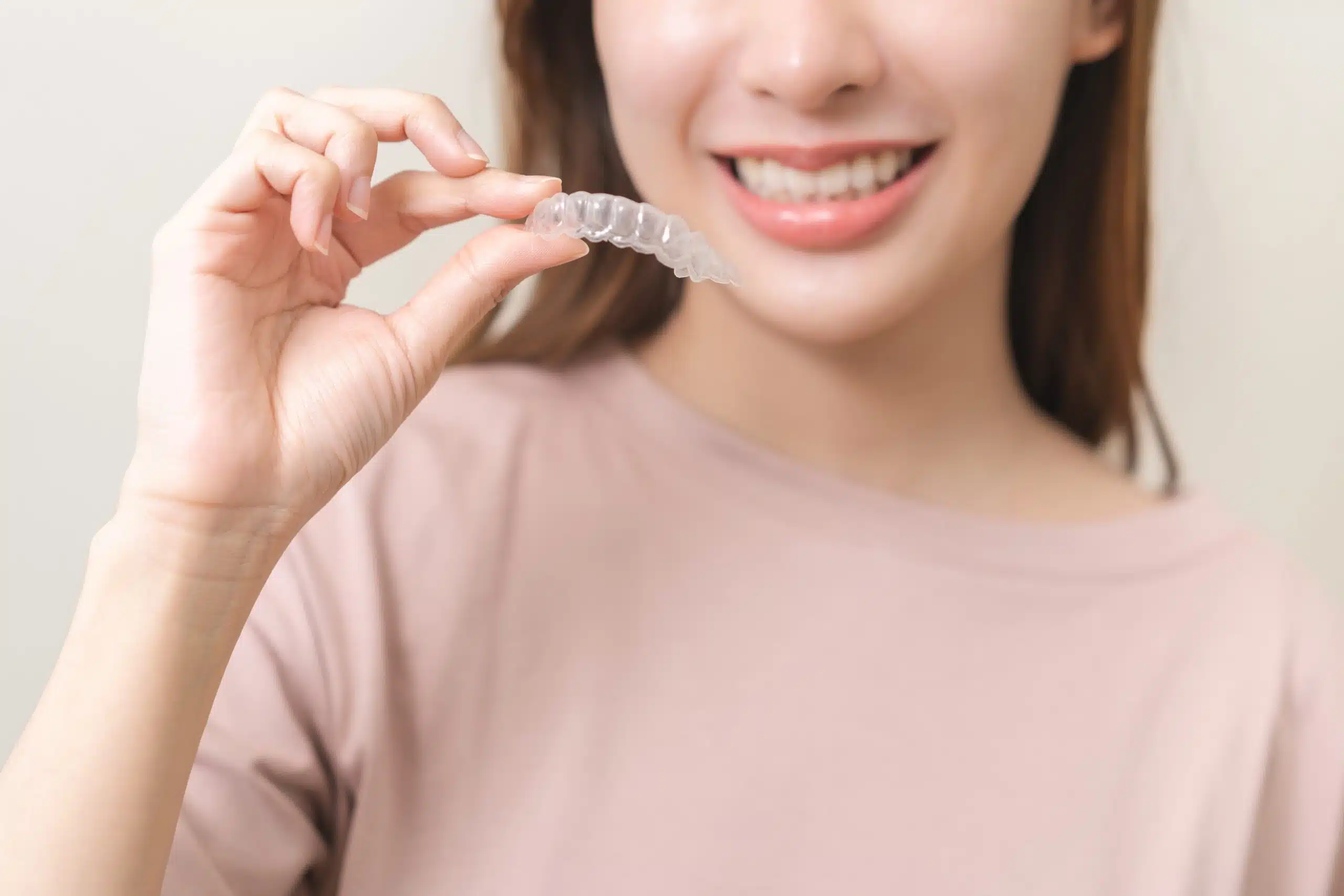
Both straighten teeth well. The right choice depends on your bite, your lifestyle, and how you feel about the look of treatment.
| Feature | Invisalign® | Traditional braces |
|---|---|---|
| Appearance | Clear trays that are hard to notice | Visible metal or ceramic brackets and wires |
| Comfort | Smooth plastic, nothing to poke or rub | Brackets and wires can irritate cheeks and lips |
| Eating | Remove aligners and eat what you like | Sticky, hard, and chewy foods are restricted |
| Cleaning | Brush and floss normally | Takes extra time to clean around brackets |
| Responsibility | You wear aligners 20 to 22 hours a day | Fixed in place, so wear time is automatic |
| Best suited for | Mild to many moderate cases in teens and adults | Very complex movements and some severe bite issues |
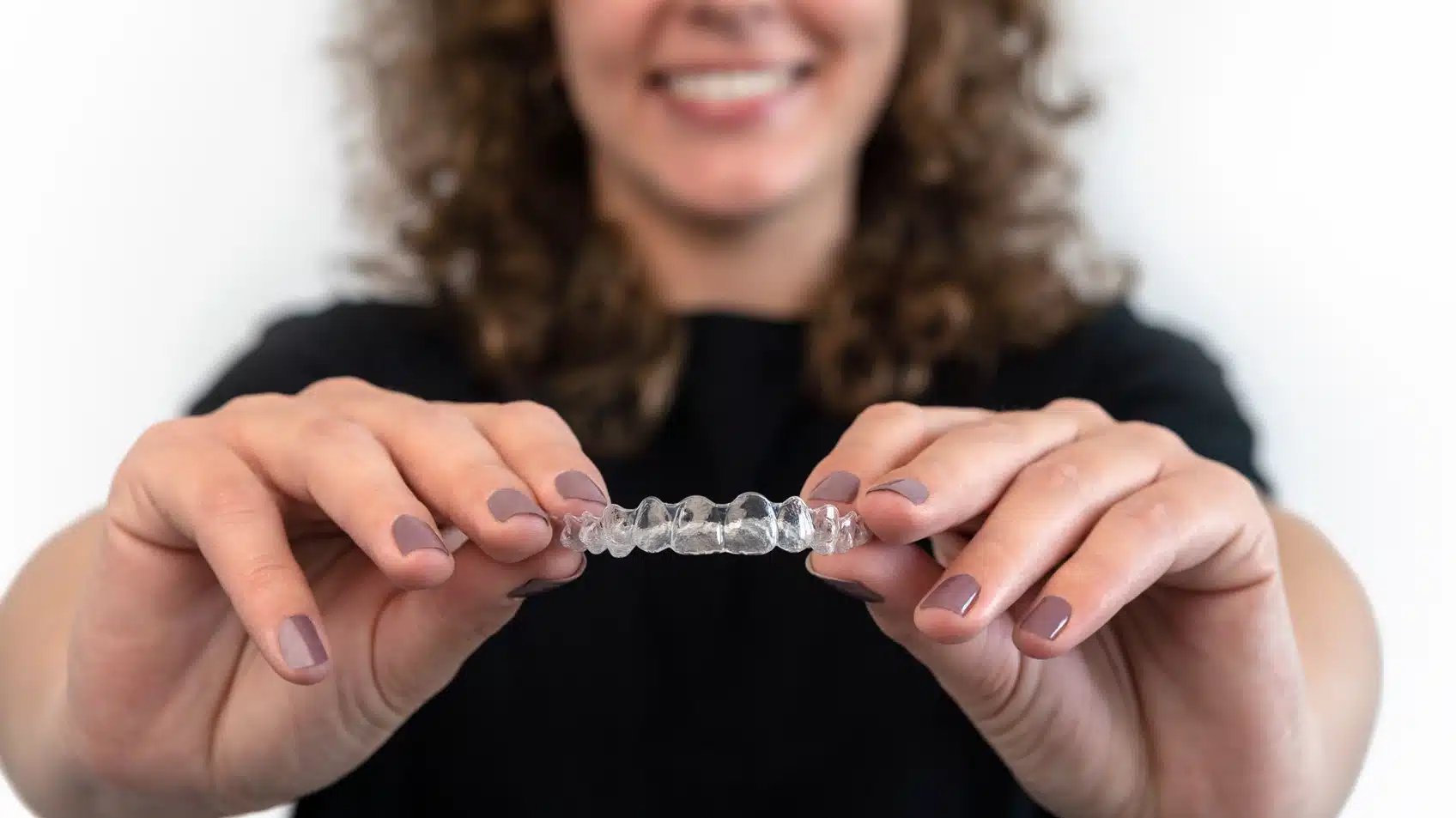
Aligners are smooth, removable, and nearly invisible. Braces are more noticeable but remain a dependable way to achieve excellent results.
Invisalign can sometimes finish a little faster for mild to moderate cases, while braces are often needed for more complex movements. Your exact timeline depends on your smile and how consistently you wear your aligners.
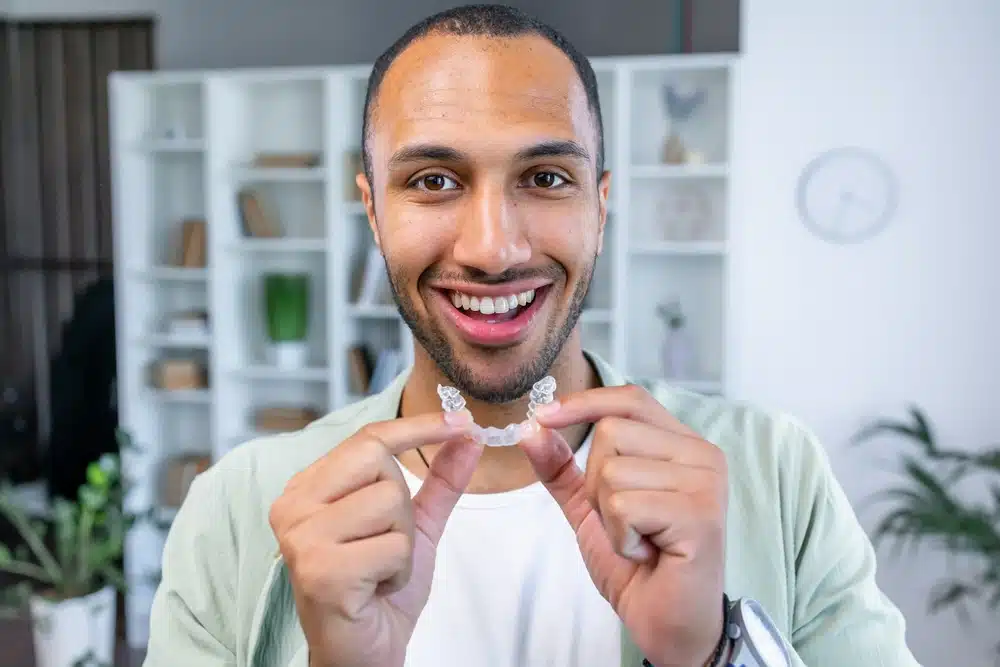
Keeping teeth clean during treatment matters for health and comfort. Removable aligners keep your normal routine, while braces take extra tools and time.
Invisalign treats many alignment concerns, but braces still offer the most control for severe bite problems. Your consultation tells you which fits your smile.
Today's aligners handle more than ever before.
Fixed appliances give the strongest control.
Aligners come out for meals, brushing, and special occasions, which suits active schedules. Braces work well but come with food limits and a look you cannot hide.
What clear aligners are, how they work, and why patients love them.
Read moreInvisalign® ProcessEvery step from your free scan to your final retainer.
Read moreDo You Qualify For Invisalign®?What aligners can correct, plus a quick self-check.
Read moreInvisalign® FAQsStraight answers to the questions we hear most.
Read moreInvisalign® CostPricing, ways to pay, and a payment estimator.
Read moreBook your free consultation and our doctors will help you choose the option that fits your smile and your life.
Have a question that is not covered here? Call us at (281) 528-1140 or see all Invisalign FAQs.
For many cases, yes. Invisalign can correct crowding, spacing, and many bite problems with results similar to braces. Some very complex tooth movements are still best handled with braces, and our doctors will tell you honestly which option fits your smile.
The fees are often in a similar range, depending on the complexity of your case. Your consultation is the best way to compare, since we can tell you what each option would involve for your teeth specifically.
Both work well. Invisalign suits teens who want a discreet option and can keep aligners in 20 to 22 hours a day, while braces may be better for some complex bites. We will recommend what gives your teen the most predictable result.
Yes. Since you remove your aligners before meals, there is no list of banned foods like there is with braces. Brush or rinse before putting them back in so food is not trapped against your teeth.
Rinse your aligners whenever you take them out, and gently brush them with a soft toothbrush and cool water. Avoid hot water, which can warp the plastic. Our team will show you simple cleaning habits at the start of treatment.
In many cases, yes. Invisalign can correct many overbites, underbites, crossbites, and open bites, sometimes with the help of small attachments or elastics. Severe bite problems may need braces or additional treatment, which we will discuss with you.
If aligners are not the best choice for your smile, we will tell you why and walk you through other options, such as traditional braces. Our goal is the most predictable, healthy result, not a specific product.